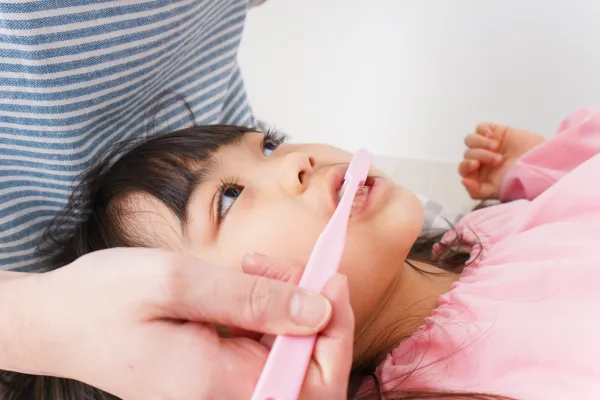
Toddler Won't Brush Teeth? 5 Game-Changing Tips That Actually Work
If you've ever wrestled a screaming toddler while trying to get a toothbrush near their mouth, you're not alone. That 8pm bathroom battle? I've lived it with my own kids, and I've heard about it from literally thousands of parents in my dental practice.
Here's what I wish someone had told me earlier: This isn't about control. It's about routine. And once I figured that out? Everything changed.
I'm Dr. Molly Hayes, a functional and airway-focused pediatric dentist who's seen what happens when brushing battles continue for years (hint: it's not pretty, and it's expensive to fix). But I've also discovered what actually works - and it's simpler than you think.

Why Your Toddler Refuses to Brush (And Why That's Actually Normal)
Let's get real for a second. Toddlers are tiny humans who've just discovered they have opinions and zero interest in your agenda. Asking them to stop playing, come to the bathroom, open their mouth, and let you stick something in there with minty foam? That's a lot.
From a developmental standpoint, this is completely normal. Your toddler isn't being "difficult" - they're being a toddler.
But here's the thing: we can work with their development instead of against it.
After surviving five toddlers in my own home (yes, five) and helping hundreds of families in my practice, I've cracked the code. And it doesn't involve bribery, threats, or iPad rewards.
The Method That Actually Ends Brushing Meltdowns
Save the link to this article because after working with countless families, I've figured out a system that works about 90% of the time:
1. Give Them Two Things to Hold
This is the game-changer. Hand your toddler their toothbrush in one hand and something else in the other hand - a toy, another toothbrush, literally anything.
Why this works: When both hands are occupied, toddlers stop trying to grab, push away, or swat at you. Their brain is busy managing two objects, which creates just enough distraction.
I learned this trick from an occupational therapist, and it's pure magic. One mom told me, "My daughter holds her toothbrush and her stuffed bunny. She hasn't cried during brushing in three weeks."
2. Let Them "Brush" First
Give your toddler 30 seconds to brush their own teeth with their own toothbrush. They won't do a good job - that's not the point. This is about honoring their autonomy and building the habit.
Then, after their turn, calmly say "My turn!" and use a different toothbrush to actually clean their teeth properly.
This changes the narrative from "something being done TO them" to "something we do together."

3. Don't Ask Permission - Tell Them It's Your Turn
This was my biggest mistake for years. I'd say, "Can Mommy brush your teeth now?"
And what do toddlers say to every question? NO.
Instead, after they've had their 30-second turn, simply state: "Okay, my turn now!" with cheerful confidence. No question. No negotiation.
It sounds small, but this eliminates the power struggle before it starts.
4. Forget the Two-Minute Rule (For Now)
Here's permission to let go of perfection: if your toddler is 18 months to 3 years old, you don't need to stress about brushing for two full minutes.
I know, I know - that's what all the guidelines say. But you know what's worse than 45 seconds of brushing? Zero seconds because your child is traumatized and you're both in tears.
Get the routine established first. Get them comfortable. Get the toothbrush in their mouth without screaming. The duration can increase as they get older and more cooperative.
Focus on hitting all the surfaces (even quickly) rather than timing it perfectly.
5. Make It Boring and Predictable
Toddlers thrive on routine. The more predictable and boring brushing time becomes, the less they'll fight it.
Same time every day. Same place. Same order of events. No surprises.
One of my patients' moms created a little song: "First we brush, then we book, then we snuggle, goodnight!" Her daughter now reminds HER when it's time to brush because it's part of the expected routine.
The goal is to make tooth brushing as automatic as putting on pajamas.
The Tools That Make This Easier
Let's talk about the actual toothbrush and toothpaste situation, because the right products genuinely make this easier.
Choosing the Right Toddler Toothbrush

You want a toothbrush with a chubby, easy-to-grip handle that your toddler can actually hold. The brush head should be small enough to fit comfortably in their mouth without gagging them.
I've tested dozens of toothbrushes with my own kids and in my practice, and I keep coming back to the same few winners. Here's my favorite Amazon toothbrushes for toddlers.
The short version? Look for brushes with suction cup bases (they stand up on the counter, which toddlers find fascinating), soft bristles, and handles that fit little hands.
The Toothpaste That Actually Helps
Here's where I get particular. Most "kids" toothpastes are full of artificial colors, flavors, and sweeteners that I wouldn't want anywhere near developing teeth.
After testing countless options with my own kids and patients, I recommend Zebra toothpaste. It uses xylitol as the primary ingredient, which is a natural sweetener that actually prevents cavity-causing bacteria from sticking to teeth.

Plus, it tastes good enough that toddlers don't fight it, but it's not so sweet that they want to eat it like candy. [This is an affiliate link - I earn a small commission if you purchase, at no extra cost to you, but I genuinely recommend this to every parent in my practice.]
Why xylitol matters: Research shows that xylitol can reduce cavities by up to 70% when used regularly. It literally makes your child's mouth a less hospitable place for the bacteria that cause decay.
I'm so passionate about xylitol toothpaste that I wrote an entire article breaking down why xylitol toothpaste is a game-changer for kids, including why I don't buy fluoride toothpaste anymore.
If you're currently using a toothpaste with artificial dyes (especially red or blue), consider switching. I've seen too many kids develop sensitivities to these additives.
What If Nothing Works?
If you've tried everything and your toddler still screams bloody murder during brushing, here's what I want you to know:
Something is better than nothing.
Even if you can only get a quick wipe of their teeth with a damp washcloth, that's better than skipping it entirely. Even if they only brush for 15 seconds, that's a win.
Some parents have success with:
Brushing while their toddler sits in the bathtub (distraction + confinement)
Brushing teeth while reading a book together
Using an electric toothbrush (the vibration is sometimes more tolerable than scrubbing)
Singing a specific song that becomes "the brushing song"
Be consistent, be calm, and know that this phase doesn't last forever.
I promise you, your child will not be fighting you about brushing when they're 12. This is a toddler phase, and you're doing better than you think you are.
The Bigger Picture: Why This Routine Matters Now
I know brushing battles are exhausting. But establishing this routine now genuinely prevents problems that are so much harder (and more expensive) to fix later.
In my practice, I see the difference between kids who have a solid brushing routine and those who don't:
Kids with consistent brushing from toddlerhood have 60% fewer cavities by age 6
They're less likely to develop dental anxiety (because the dentist isn't always delivering bad news about cavities)
They don't need sedation dentistry for basic fillings
Their adult teeth come in healthier and better positioned
Every time you successfully brush your toddler's teeth - even if it took 10 minutes of negotiation to get there - you're investing in their future oral health.
And honestly? You're also investing in your own sanity. Dental problems in young kids are stressful, expensive, and often require multiple appointments with specialists.
Want My Complete Cavity Prevention System?
If you're thinking, "Okay, I've got the brushing routine down - what else should I be doing?" I created something specifically for parents like you.
My video course Zero Cavities, Zero Braces walks you through everything: daily habits, diet changes that actually matter, the products worth buying (and which ones are marketing hype), and how to set your child up for healthy teeth and proper jaw development.
It's 19 bucks, takes less than an hour to watch, and parents tell me it saves them thousands in dental bills. Buy it now and instantly get access to all of the extra guides (most parents love the snack guide and Costco shopping list!).
Your Action Plan for Tomorrow Night
Here's what I want you to do tonight:
Gather two toothbrushes (one for your toddler to hold/use, one for you to actually brush with) - check out my favorite toddler toothbrushes here.
Find something for them to hold in their other hand (toy, stuffed animal, another toothbrush)
Set a routine: Same time, same place, same order of events
Let them go first for 30 seconds, then cheerfully announce "My turn!"
Don't stress the duration - focus on actually touching all tooth surfaces, even quickly
Be consistent for one week. I bet you'll see improvement by day three.
The Bottom Line
Your toddler refusing to brush teeth isn't a parenting failure - it's a developmental phase. But routine beats control every single time.
Stop trying to force it. Start building a predictable, low-pressure routine that works with your toddler's brain instead of against it.
And if you need the right tools to make it easier? Start with a quality toothbrush (my Amazon favorites are here) and xylitol-based toothpaste like Zebra (learn more about xylitol toothpaste here). The right products genuinely make this battle so much simpler.
You've got this, mama. And when that brushing routine finally clicks? You're going to feel like a superhero.
Want more tips like this? Follow me on Pinterest [@drmollyhayes] where I share daily advice for parents who want to prevent dental problems before they start. I'm pinning new tips every week!
FAQ: Toddler Tooth Brushing Questions
How long should I brush my toddler's teeth?
Aim for 2 minutes if possible, but don't stress if you're only getting 30-45 seconds with a young toddler. Focus on establishing the routine first, then gradually increase duration as they get more comfortable.
What if my toddler won't open their mouth?
Try the "let them brush first" method - giving them control for 30 seconds often makes them more willing to open up for your turn. You can also try brushing in front of a mirror so they can watch, or model opening YOUR mouth wide and making it silly.
Is it okay to pin my toddler down to brush their teeth?
I don't recommend this. Restraining your child can create dental anxiety that lasts for years. It's better to get a mediocre 20-second brush than to traumatize them with forceful restraint. Try the distraction methods in this post first.
Should I use fluoride toothpaste for my toddler?
This depends on your water supply and cavity risk. For children under 3, use a rice-grain-sized amount of fluoride toothpaste, or choose a xylitol-based option like Zebra toothpaste if you prefer a fluoride-free approach. Talk to your dentist about what's right for your specific situation. Read more about xylitol toothpaste.
What age will my toddler stop fighting tooth brushing?
Most kids become more cooperative between ages 3-4, especially if you've maintained a consistent routine. Some kids take longer. The key is staying calm and consistent - they will eventually accept it as part of the daily routine.
What's the best toothbrush for a 2-year-old?
Look for a toothbrush with a small brush head, soft bristles, and a chunky handle they can grip easily. I've tested tons and share my favorite Amazon toothbrushes for toddlers here.
