Natural Teething Remedies: What Actually Works (From a Dentist Who's Been There 6 Times)
Please note that this article contains affiliate links, which means I receive a small (so very, very small) commission from the company when you purchase with the link. I only promote products that I use in my own home and can't live without!
It's 2 AM and your baby is screaming. Those little gums are swollen and red, drool is everywhere, and nothing seems to help. You've tried everything Google suggested in your sleep-deprived haze, and you're wondering if you'll ever sleep again.
I've been there. Six times, actually.
As a functional dentist who's treated thousands of babies and toddlers AND survived half a dozen teething journeys with my own kids, I've seen what works and what's just Pinterest folklore. Today, I'm sharing the natural teething remedies that actually provide relief—backed by both science and real-world mom experience.
Quick note: I'm a dentist, not a pediatrician. If your baby has a fever over 100.4°F, diarrhea, or symptoms beyond typical teething fussiness, call your pediatrician. Teething doesn't cause high fevers or illness.
Why Natural Teething Remedies?

Many conventional teething gels contain benzocaine or lidocaine—numbing agents that the FDA warns against for babies under 2. These can cause a rare but serious condition called methemoglobinemia, which reduces oxygen in the blood.
I'm not here to fear-monger (there's enough of that on the internet), but as a mom who leans toward natural solutions when possible, I wanted alternatives that were both safe AND effective.
The good news? Nature has provided plenty of options that actually work.
The 7 Best Natural Teething Remedies (Ranked by Effectiveness)

1. Cold Pressure (The Gold Standard)
This is my #1 recommendation because it combines two powerful pain relievers: cold temperature and counter-pressure on the gums.
What works:
Chilled (not frozen) washcloth: Wet a clean washcloth, wring it out, fold it, and refrigerate for 30 minutes. Let baby gnaw on it. The texture provides pressure while the cold numbs pain.
Refrigerated teething toys: Silicone or rubber teething rings work beautifully. Keep 2-3 in rotation in your fridge.
Cold spoon: Chill a metal spoon and gently rub it on baby's gums. This was a game-changer with my fourth baby.
Pro tip from the dentist chair: Never freeze teething toys solid. Rock-hard items can damage delicate gum tissue. We want cold, not arctic.
2. Gentle Gum Massage
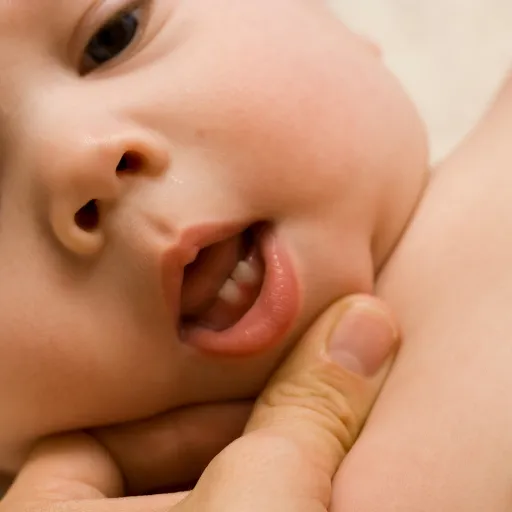
This sounds simple, but it's incredibly effective. Clean your hands thoroughly, then use your finger to gently massage your baby's gums in small circles.
The pressure from your finger helps the tooth break through while simultaneously providing pain relief. My kids would literally grab my hand and shove my finger in their mouths when they were teething.
When to do it: Before naps, before bed, or anytime baby seems extra fussy.
3. Food-Grade Silicone Teethers (The Safe Plastic Alternative)
Here's where my functional dentist brain kicks in: I'm not a fan of hard plastic teethers that babies chew for hours daily. Many contain phthalates or BPA, even when labeled "BPA-free."
Better options:
Food-grade silicone teethers: Soft enough for tender gums but firm enough to provide pressure. The ezpz teethers (part of their
) are my top recommendation because they're:
Made from 100% food-grade silicone
Textured perfectly for different stages of teething
Dishwasher safe (because who has time to hand-wash everything?)
Wide enough baby can't accidentally swallow them
Untreated wooden teethers: These are my second choice. Wood is naturally antibacterial, provides firm resistance, and there's something about the organic texture babies love. Look for food-grade, untreated maple or beechwood with no finishes.
What I used: The ezpz silicone teethers stayed in my diaper bag for two years straight. They're soft enough for brand-new gums but durable enough to survive aggressive chewing from older babies.
Get them with the Tiny Pops in the Pre-Feeding Set → Use code DRMOLLY10 for 15% off (affiliate link - this company is genuinely incredible for safe baby products)
4. Frozen Breast Milk Popsicles (Game-Changer Alert)

This was hands-down my favorite teething hack with my last three babies, and I wish I'd known about it earlier.
Enter: ezpz Tiny Pops. These brilliant little popsicle molds are specifically designed for freezing breast milk (or formula, or chamomile tea) into perfectly sized frozen treats for teething babies.
Why this works:
Baby gets the soothing cold sensation plus nutrition
The handle is easy for little hands to grip
The popsicle shape means they can gnaw on it without choking risk
You control exactly what goes in it (no mystery ingredients)
What I froze in them:
Breast milk (the most popular option)
Watered-down coconut water with a tiny bit of fruit puree
Weak chamomile tea (natural anti-inflammatory)
Thinned yogurt for babies 8+ months
The ezpz Pre-Feeding Set comes with both the Tiny Pops and their soft silicone teethers, which I talked about in the previous section. It's honestly the best teething investment I made—I still have mine and lend them to new mom friends constantly.
Use code DRMOLLY10 for 15% off → Shop the ezpz Pre-Feeding Set here (affiliate link)
Pro tip: Make 4-6 pops at once and keep them in rotation. When baby finishes one, pop another out of the freezer. This saved my sanity during peak teething weeks.
5. Chilled Organic Fruit or Vegetables

For babies 8+ months who are comfortable with finger foods, refrigerated foods provide natural teething relief.
Best options:
Chilled cucumber spears (big enough they can't bite off chunks)
Cold watermelon (remove seeds)
Refrigerated baby carrots (supervise closely)
Cold apple slices (too hard to bite through at this age but perfect for gum pressure)
Safety first: Always supervise. These work because baby can't actually bite pieces off yet—they're using their gums to mash and soothe.
💡 My Go-To Teething Kit (What I Keep Stocked)
After 6 kids and thousands of patients, here's what I actually recommend parents have on hand:
✅ ezpz Pre-Feeding Set - Tiny Pops for frozen milk + silicone teethers (15% off with code DRMOLLY10)
✅ Clean washcloths - Keep 3-4 in the fridge at all times
✅ Dreamland Baby weighted sleep sack - Helps baby sleep through teething pain (affiliate link)
That's it. You don't need 17 different teething products. These three things will cover 90% of teething situations.
6. Homeopathic Teething Tablets (Use Cautiously)
Some parents swear by homeopathic teething tablets. The FDA has issued warnings about certain brands containing inconsistent amounts of belladonna, so brand matters significantly.
I'm not strongly advocating for or against these—I'm a functional dentist, not a homeopath. If you use them, choose reputable brands and follow dosing instructions precisely.
Alternative I preferred: Boiron Camilia teething drops. Single-use vials, liquid form, and my babies tolerated them well.
7. Nutrition Support (The Long Game)
This isn't immediate relief, but supporting your baby's overall health helps their body handle inflammation better.
What I recommend:
Bone broth: If baby is eating solids, bone broth provides minerals and amino acids that support healthy tissue.
Avoid excess sugar: Sugar feeds inflammation. Stick to whole foods during teething phases.
This approach comes from my training in functional dentistry—we look at the whole body, not just teeth.
What About Teething Biscuits?

I get asked this constantly. Here's my honest dentist opinion: most commercial teething biscuits are terrible for teeth.
They're essentially hardened sugar and refined flour that dissolve into sticky paste in baby's mouth. That paste coats developing teeth and feeds cavity-causing bacteria.
Better option: If you want to give food for teething, choose:
Lightly toasted strips of whole grain sourdough bread
Freeze-dried fruit (dissolves quickly, less choking risk)
Homemade teething biscuits with no added sugar
Or use the ezpz Tiny Pops with pureed fruit instead
Or skip food-based teething entirely and stick with cold pressure and toys.
Want my full guide to cavity prevention for babies and toddlers? My video course "Zero Cavities, Zero Braces" covers everything from birth to age 6—including what foods protect teeth and what to avoid. Learn more here.
Natural Remedies to AVOID (Dangerous Trends)
Social media is full of terrible teething advice. Here's what to skip:
❌ Frozen teethers: Rock-hard ice can damage gum tissue. Refrigerated is better.
❌ Amber teething necklaces: Despite the marketing hype, there's no scientific evidence that amber releases succinic acid or provides any teething relief. More importantly, they're a serious strangulation and choking hazard. The American Academy of Pediatrics and dentists like me strongly recommend against them. They simply don't work and aren't worth the risk.
❌ Essential oils directly on gums: Many oils are too strong for babies and can cause chemical burns. If you use them (which I don't recommend), dilute heavily and never apply directly.
❌ Whiskey or alcohol on gums: This is an old wives' tale that's genuinely dangerous. Don't do it.
❌ Teething gels with benzocaine: FDA warns against these for babies under 2 due to risk of methemoglobinemia.
When to Call Your Dentist or Pediatrician
Teething is normal, but sometimes symptoms indicate something else:
🚨 Call your pediatrician if:
Fever over 100.4°F (teething causes low-grade temps, not high fevers)
Diarrhea or vomiting (not caused by teething)
Rash that's not just drool-related
Baby refuses to eat or drink for more than 12 hours
Extreme inconsolability beyond normal teething fussiness
🦷 Schedule a dental visit if:
Baby's first tooth appears (yes, really! First dental visit should be by age 1)
You see white or brown spots on teeth (potential early decay)
Teeth are coming in crooked or blocked
Fun fact: Many parents don't realize babies should see a dentist by their first birthday. Early visits prevent future problems and help babies feel comfortable at the dentist. It's part of what I teach in my course for parents.
My Real-Life Teething Survival Strategy (What Actually Worked with 6 Kids)

Here's what our house looked like during peak teething:
Morning: Gum massage after nursing/bottle
Throughout day: Rotating between cold teethers and frozen breast milk Tiny Pops every 30-60 minutes
Naptime: Extra snuggles, cold washcloth right before sleep
Evening: ezpz Tiny Pop (chamomile tea or breast milk) after dinner
Overnight: Gum massage at first wake-up, then see if baby settles
My teething station setup: I kept a basket in the kitchen with clean washcloths, the ezpz teethers, and a dedicated spot in the freezer for Tiny Pops. Everything in one place = less stress when baby is screaming.
Secret weapon for sleep: The Dreamland Baby weighted sleep sack. Teething disrupts sleep like crazy, and the gentle weight helped my babies stay asleep longer between wake-ups. (This is an affiliate link—the company gives my readers 15% off, and I earn a small commission.)
The weighted pressure is calming to their nervous system, which is already on overdrive from teething pain. We used it from 4 months through 24 months, and it was genuinely the only thing that helped my terrible sleepers.
The Bottom Line: Natural Relief That Works
You don't need a pharmacy full of products. The most effective natural teething remedies are simple:
Cold + pressure + time = relief
Everything else is supporting baby's comfort until that tooth finally breaks through.
And here's the honest truth from someone who's lived through 120+ tooth eruptions: This phase will pass. You'll blink, and suddenly you'll have a toddler with a full set of teeth, stealing your ice cream and smiling that gummy grin at you.
Hang in there, mama. You're doing great.
📹 For complete cavity prevention: My "Zero Cavities, Zero Braces" video course covers everything you need to know from birth to age 6. Check it out here.
📱 Follow me on Instagram @drmollyhayes for quick tips, product reviews, and real-life parenting wins (and fails).
Frequently Asked Questions About Natural Teething Remedies
How long does teething pain last?
Each tooth typically causes 3-7 days of noticeable discomfort. Symptoms often appear before you can see the tooth and stop once it breaks through the gum.
Can I use clove oil for teething?
Clove oil contains eugenol, a natural numbing agent, but it's too strong for babies and can cause burns. If you want to try it (which I don't recommend), dilute 1 drop in 1 tablespoon of carrier oil and apply sparingly to the outside of the jaw, never directly on gums.
Do natural teething remedies work as well as conventional gels?
Yes! Cold pressure is just as effective as topical numbing agents without the safety risks. Many pediatric dentists (including me) prefer natural approaches for babies.
What's the safest teething toy material?
Food-grade silicone (like the ezpz teethers), untreated wood, or natural rubber are all safe choices. Avoid PVC, phthalates, and BPA. Look for toys specifically labeled for teething (not general toys baby happens to chew).
Should I give my baby Tylenol for teething?
That's between you and your pediatrician. Some doctors recommend it for severe pain, especially at night. I'm not anti-medication, but I encourage trying natural remedies first. If baby is truly miserable and natural approaches aren't helping, pain relief is appropriate.
Can teething cause a fever?
Low-grade temperature (under 100°F) is common with teething due to inflammation. Anything higher suggests illness, not teething. Don't blame serious symptoms on teething—call your pediatrician.
Do amber teething necklaces actually work?
No. There's no scientific evidence supporting amber necklaces for teething relief, and they pose serious strangulation and choking risks. The American Academy of Pediatrics recommends against them. Stick with proven methods like cold pressure and safe teething toys.
Medical Disclaimer: I'm a functional dentist sharing evidence-based information and personal experience. This post is educational, not medical advice. Always consult your pediatrician for concerns about your baby's health.
